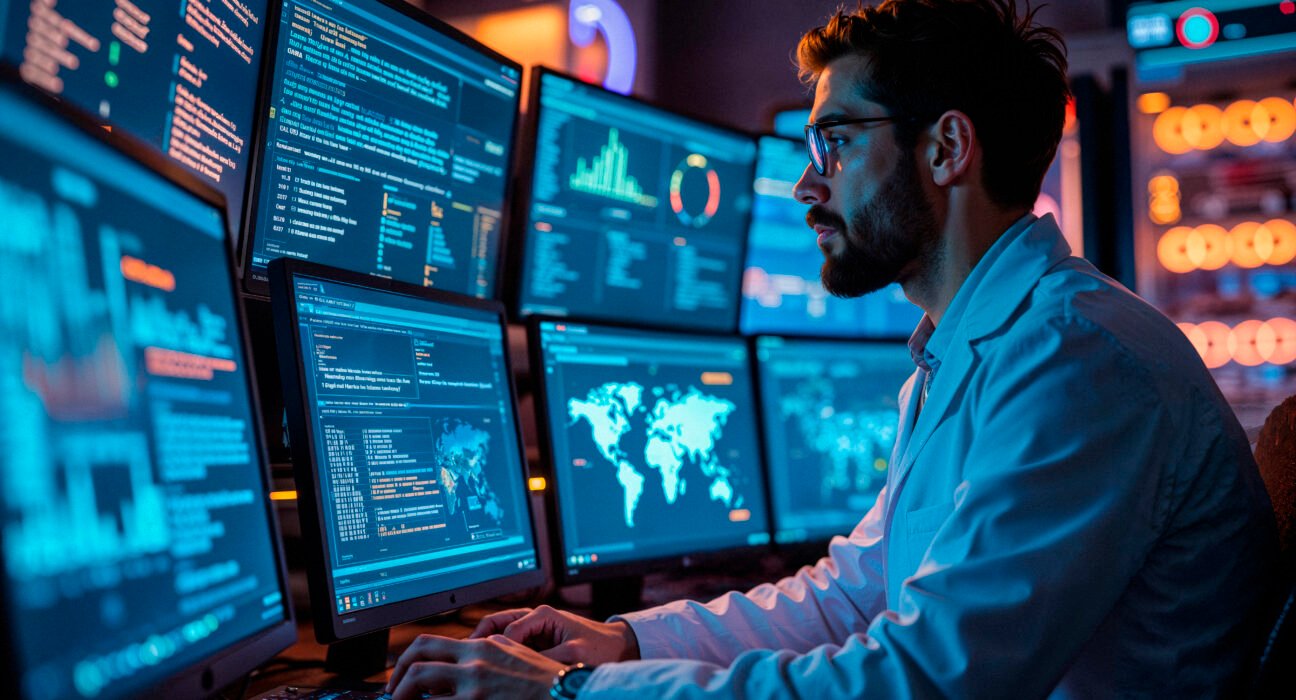
A room full of tired analysts. Thousands of alerts. And an AI that changed everything.
Alen had been a SOC analyst for six years. He was good, sharp, methodical, genuinely passionate about catching threats. But by year four, something had shifted. He called it numbness.
“I was triaging 400 alerts a day,” he told. “Maybe three were real. The other 397 were noise. After a while, your brain starts discounting everything. And that’s exactly when you miss something.”
He missed something in October 2023. A lateral movement attack hiding in the noise for eleven days. By the time the team caught it, the attacker had accessed three internal servers and walked out with 14GB of data. Alen handed in his notice two months later.
His story is practically the origin story of modern SOC dysfunction and the reason AI-driven security operations have stopped being a pitch deck fantasy.
The Problem Was Never the Analysts
The modern enterprise generates an overwhelming volume of security telemetry. Firewalls, endpoints, cloud workloads, identity systems every layer fires alerts, and every alert theoretically demands human attention. IBM’s 2025 Cost of a Data Breach Report found that the average SOC receives over 11,000 security alerts per day. Analysts have roughly one minute per alert. At that pace, the human brain, extraordinary as it is becomes the bottleneck. Not because analysts are bad at their jobs. Because the volume was never designed for humans to handle alone.
This is precisely the problem AI was built for.
What AI Actually Does Inside a SOC
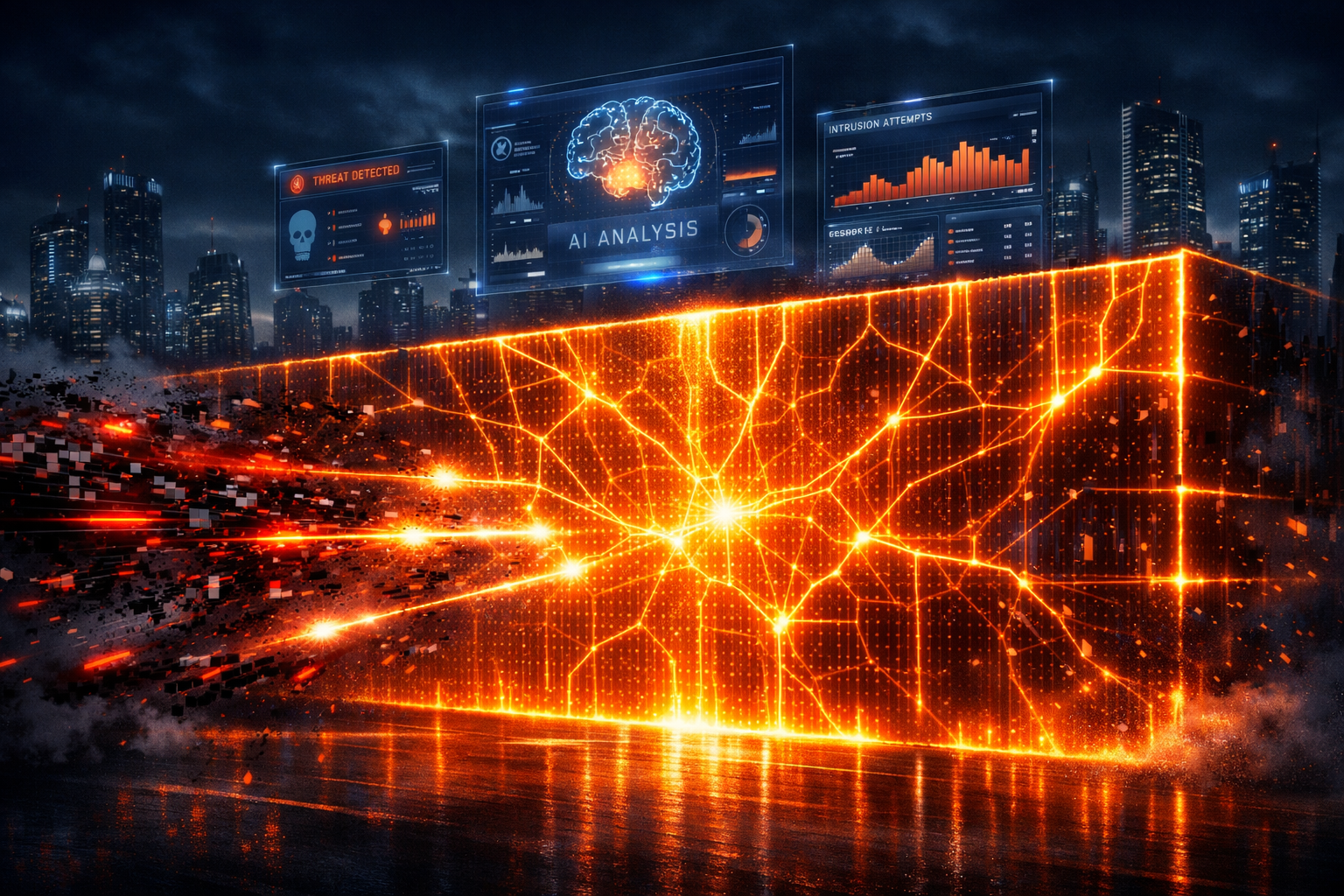
AI-powered triage is where the transformation is most immediate. Machine learning models trained on millions of security events learn to separate genuine threats from noise at a scale humans simply can’t match. Tools like Microsoft Sentinel and Palo Alto’s Cortex XSOAR now automatically correlate, enrich, and score incoming alerts surfacing the top tier that needs human attention while auto-resolving the rest.
Organizations deploying AI-assisted triage report human review volumes dropping by 60 to 90 percent. Analysts go from drowning in hundreds of alerts to working a curated, high-confidence queue. The noise doesn’t disappear, it just stops reaching human hands.
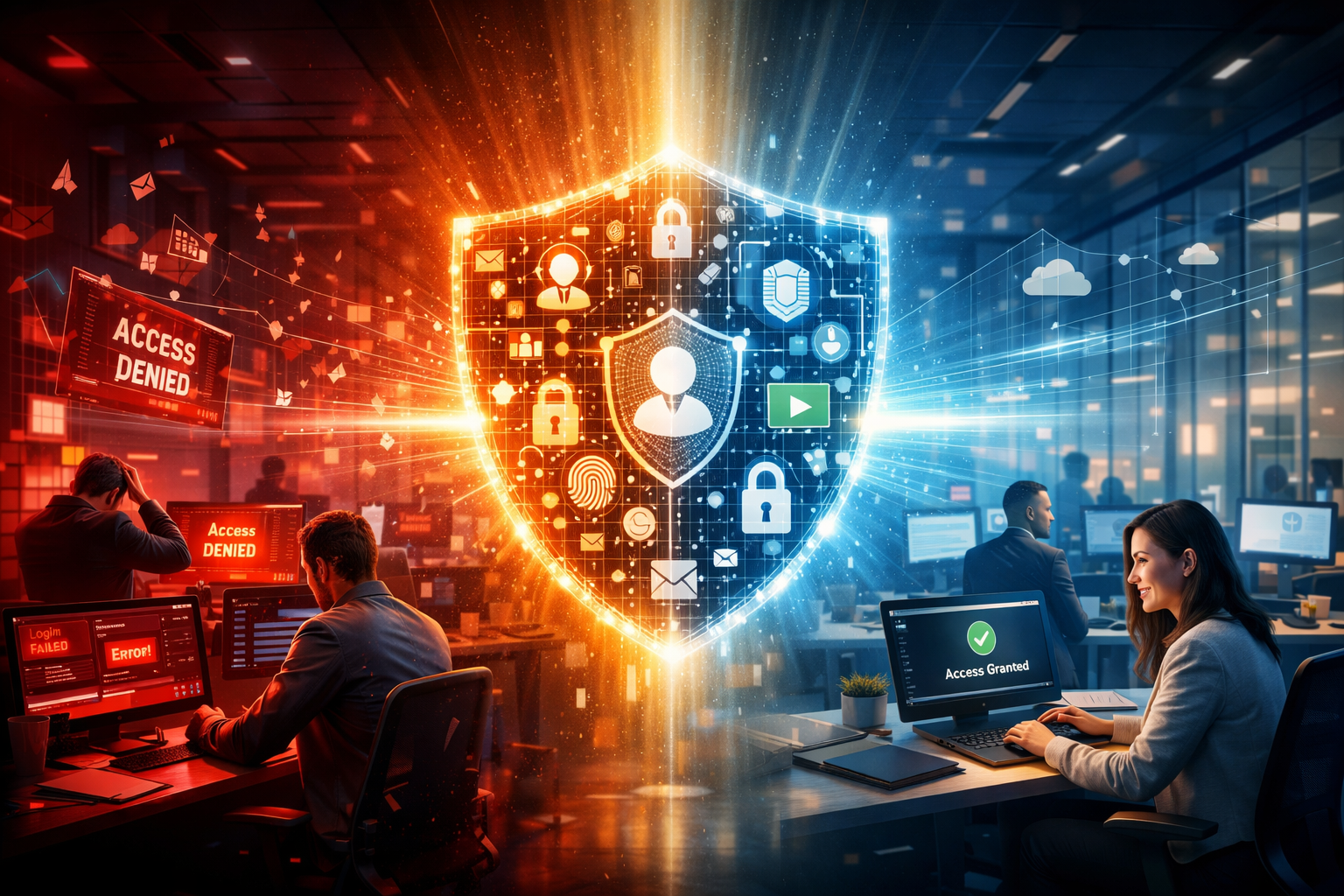
Then there’s behavioral anomaly detection. Traditional tools looked for known bad patterns malware signatures, blacklisted IPs. Sophisticated attackers don’t use known tools. They use your tools, your credentials, your legitimate software just slightly wrong. AI builds a behavioral baseline for every user and device on the network. When a finance manager who always logs in from Chennai at 9 a.m. suddenly authenticates from Eastern Europe at 3 a.m. and starts bulk-downloading HR files, no signature catches that. Behavioral AI does.
The Partnership Nobody Expected
AI didn’t replace SOC analysts. It changed what being one means.
Rajan, a senior threat hunter at a financial services firm in Singapore, put it simply: “Before, I spent 70% of my time on triage, just deciding what to look at. Now the AI handles that. I spend 70% of my time actually hunting. It’s the work I trained for.”
His team’s mean time to detect dropped from 18 days to under 4 hours after deploying an AI detection platform. Not because humans got faster because humans stopped wasting time on the wrong things.
The Road Ahead
The SOC isn’t disappearing. It’s evolving into something closer to a cyber threat intelligence hub where humans do what machines genuinely can’t: contextual reasoning, adversarial thinking, and judgment calls that require understanding why, not just what.
AI handles the volume. Humans handle the meaning.
Alen came back, eventually. A new role, a new company, one that had fully integrated AI triage. “I work on 15 cases a day now,” he said. “Every single one is interesting. Every single one is real.”
The AI didn’t replace him. It gave his job back.