After years of record investment and breathless headlines, the biggest AI trends all point to one question: can AI actually deliver?
AI is moving into our offices, factories, labs and critical infrastructure, and it increasingly shapes the services we use and the decisions that affect our lives. That makes the year ahead more important than any before it. Here are the seven predictions to watch, and what each means for you.
1. Will the AI Bubble Burst?
It’s the question of the past two years, but the conversation is maturing. Most people now accept we’re in uncharted territory. This isn’t a simple replay of the dot-com crash, yet it’s unclear whether productivity gains can justify today’s spending forever. There is less talk of imminent crashes and more focus on building value that lasts, whichever way markets go.
Takeaway: The winners will be the businesses solving real problems, not the loudest.
2. AI Cyberattacks Are Getting Smarter
A major attack this year was a wake-up call. It raised the possibility that rogue AI agents could deceive us and cause real harm. Skeptics wondered if it was a marketing ploy to prove AI works. Either way, expect more incidents like it. Dramatic real-world events, not policy papers, will shape public opinion on AI safety.
Takeaway: AI-aware cybersecurity is no longer optional for businesses.
3. Humanoid Robots Join the Workforce
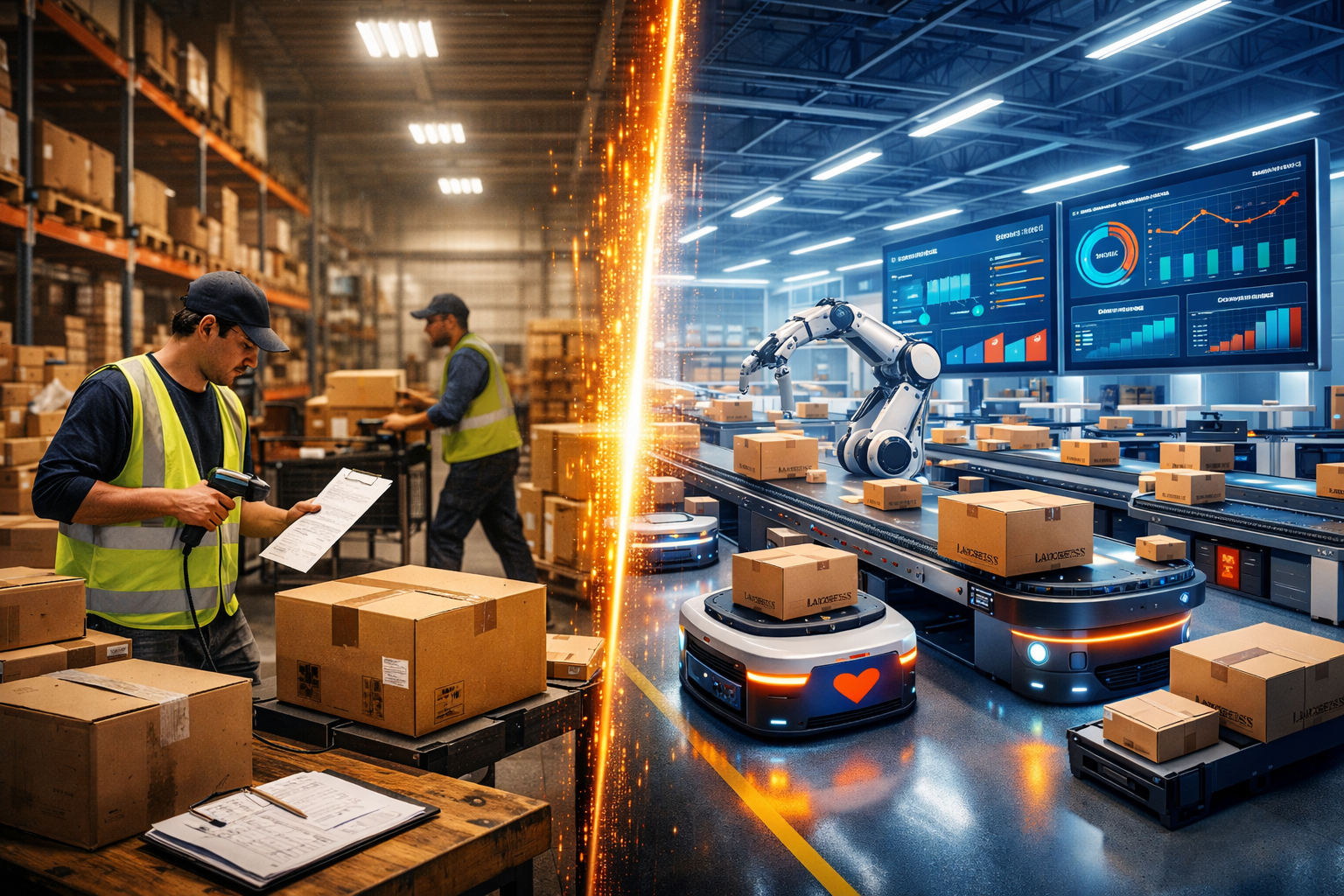
Will thousands of humanoid robots march into factories? Probably not. But in some sectors, workers may soon share the floor with robotic colleagues. Plans are underway across car manufacturing, warehouses and logistics. One much-hyped “everything” humanoid, built for the home as well as the factory, has no firm release date, but it may make its debut in 2027.
Takeaway: Robots won’t replace everyone overnight, but they will change how some jobs work.
4. Recursive Self-Improvement Explained
Tech firms claim progress, doomers want it banned, and skeptics call it a con. The idea is simple: AI that improves itself. It already works in limited ways, with models writing their own code and generating their own training data. The unknown is how much faster and more capable this can make AI, and whether it could spiral beyond our control.
Takeaway: This may be the most debated AI story of the year.
5. The Global Politics of AI
AI is already a political weapon, used through regulation, export restrictions and tariffs. This year the battlefield could grow dramatically, with governments even discussing a global shutdown. The leading AI powers don’t want to cede advantage, so any attempt to slow, restrict or coordinate advanced AI will become a major political issue.
Takeaway: AI policy is now security policy.
6. AI Regulation: Governments Fall Behind
Governments are pushing ahead with their own rules, but the machinery of government can’t match AI’s speed. Rules for high-risk AI have been postponed until late 2027, and some regions are still debating what a comprehensive framework should look like. Expect growing frustration as AI affects lives before safeguards are in place.
Takeaway: The gap between what AI can do and what the rules cover will widen.
7. AI in Drug Discovery and Science at Machine Speed
Here’s the good news. Science is one of AI’s least controversial areas, and even hardened doomers struggle to deny the progress. Expect advances in drug discovery, protein design, materials science and meteorology. Startups are building autonomous labs where AI agents design, run and report on their own experiments, creating much faster feedback loops.
Takeaway: AI’s biggest payoff may come from medicine and materials, not chatbots.
Who Pays for AI?
Here’s what few people want to discuss. Capital expenditure on AI is estimated at nearly $700 billion this year. Shareholders will want returns, and that money can only come from us, through higher cloud charges, subscriptions and energy costs. The age of subsidized AI will end at some point, so this could be the year people look hard at what AI costs them and cut services they don’t use enough.
The Bottom Line
If the last few years were about discovering what AI can do, the year ahead is about deciding what we want it to do, who controls it and who pays for it. The technology will keep moving fast. The biggest questions are about value, trust, safety and how prepared we are.
FAQ: AI Trends and Predictions
What are the biggest AI trends this year?
The AI bubble debate, automated cyberattacks, humanoid robots, recursive self-improvement, global politics, regulation and AI-driven science.
Will the AI bubble burst?
Nobody knows. Most experts now accept this isn’t a simple dot-com repeat, and the focus is shifting to lasting value.
Will AI get more expensive?
Likely. Businesses must justify huge spending, which may mean higher cloud, subscription and energy costs.
Worried about the rise of smarter AI attacks?
Learn how to protect your systems in our deep dive: AI Agent Security: Stopping Prompt Injection in Agentic AI.
Ready to Make AI Work for Your Business?
AI is moving fast, and the businesses that plan ahead will be the ones that benefit. Whether you want to adopt AI safely, strengthen your security or turn ideas into real results, the team at Evvo Technology is ready to help.
Contact us today and start building your AI strategy.