What if the hardest part of building software was no longer writing the code?
AI agents in IT operations are making that question real. One software company’s engineers have stopped asking “How long will this take to build?” and started asking “Are we building the right thing?” It began with a tiny team and a bold goal: an agentic AI system that fixes IT problems before humans even notice them.
From Four Engineers to a Full AI Agent Team
The project started in March with four engineers spread across the U.S., collaborating over video calls. Their mission was to cut the “daily toil” that drains IT teams: chasing alerts, fixing configuration drift, and keeping devices in line.
With AI coding agents, they had a working prototype in about two weeks. Within two months, a dozen trial customers had asked to use it. The team has grown to roughly 25 people, and the company reports engineering output five times higher than human-only teams.
Those numbers are striking. The reasons behind them are more interesting.
The New Bottleneck Isn’t Code
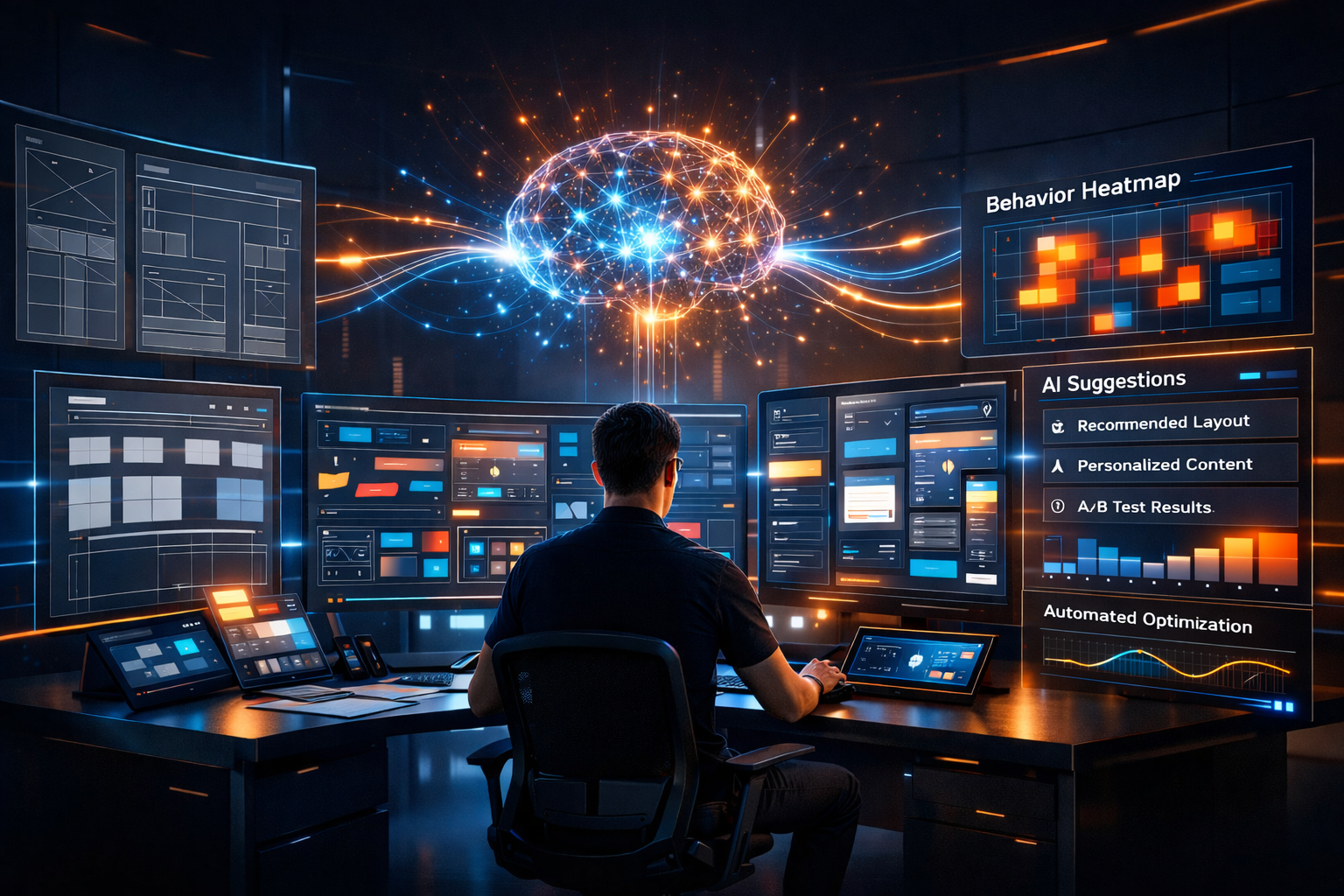
Tools like Claude Code and Codex have changed software development. The VP of Software Engineering says implementation time and effort no longer feel like the constraint. The hard part is deciding what to build and how.
His own workflow shows the shift. After moving from management back to hands-on coding, his GitHub commits jumped from 3 to over 1,400 in six months. His routine is simple: build with one AI agent, then have another review the pull request.
The team also built a harness that lets the agent pick the best AI model for each task.
How to Train an AI Agent With Domain Knowledge
An agent is only as good as what it knows. The team fed it years of institutional knowledge:
- Historic investigations, to learn which events happen most often
- 12 to 24 months of customer escalations, to learn what actually hurts
- Internal systems such as CRMs, source code, Jira tickets, and Confluence pages
Humans reviewed the agent’s recommendations throughout. The goal was confidence that the agent behaves as expected. As the CTO put it, the conversation should move from how intelligent a model is to how much useful work we can reliably trust agents to finish.
Building an Agent Factory
Leadership calls this a “builder transformation.” Every engineering team is shifting from building features to building agents across the product lifecycle:
- Design agents that produce brand-compliant visuals
- Coding agents that write the software
- Review agents that check and approve code
The CTO compares it to every team gaining a squad of capable junior engineers, with more work to hand off each week.
Why Alert Fatigue Needs Autonomous Remediation
IT teams are drowning in notifications. A May 2026 survey of 1,000+ SRE, DevOps, and IT operations professionals found:
- 44% of organizations had an outage in the past year tied to suppressed or ignored alerts
- 83% say their teams ignore alerts at least some of the time
Humans can’t read every alert. Agents can. This one correlates related alerts, audits devices continuously, fixes configuration drift, manages backups, tracks capacity, and handles asset lifecycles. Teams set outcomes, and it coordinates specialist agents to achieve them.
Adoption is accelerating: The Futurum Group estimates 49.2% of organizations plan agentic AI deployments in IT operations and cybersecurity.
The Catch: AI Agent Security and Guardrails
A Forrester analyst praised the goal-driven, auditable approach but warned that an hour of runaway AI activity can be “magnitudes worse” than an hour of human mistakes. His advice:
- Operate on least agency, giving agents only the freedom they need
- Practice continuous risk management
- Secure the agent’s intent, not just its access
That last point is where AI agent security becomes critical.
Key Takeaways for Tech Leaders
- Start small. Four engineers and two weeks produced something customers wanted.
- Feed agents context. Domain knowledge is the real differentiator.
- Build trust before autonomy. Human review, audit trails, and limited permissions come first.
FAQ
What are AI agents in IT operations?
They are autonomous systems that detect, correlate, and fix IT issues like alerts and configuration drift with minimal human input.
How do AI agents reduce alert fatigue?
They filter and group related alerts, then remediate common issues automatically, so people focus on the critical ones.
Are autonomous AI agents safe?
Yes, with least-agency permissions, audit trails, and defenses against attacks like prompt injection.
Final Thoughts
The era of “AI that suggests” is giving way to “AI that does.” The teams that win won’t be the first to adopt agents but the best at governing them. Governing well starts with security, because autonomy brings new risks, and prompt injection is one of the biggest. Before you give agents more freedom, read our guide on AI Agent Security: Stopping Prompt Injection in Agentic AI.
Ready to Put AI Agents to Work? Start with evvo
Moving from alert fatigue to autonomous remediation doesn’t have to be a leap of faith. Evvo helps teams adopt AI agents with clarity, control, and confidence, so you can cut the daily toil while keeping full visibility into what your agents do.