Introduction
For decades, enterprise IT roadmaps followed a predictable pattern, infrastructure upgrades, software deployments, system integrations, and periodic digital transformation initiatives. While these approaches supported business growth, they often struggled to keep pace with rapid technological change.
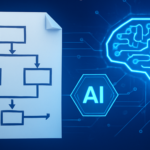
Today, artificial intelligence is reshaping how organizations think about technology strategy. Instead of treating AI as an add-on capability, enterprises are placing it at the center of decision-making, operations, and innovation. This shift toward AI-first IT strategies reflects a broader transformation in how companies compete, operate, and deliver value in a data-driven economy.
Organizations that embrace AI-first thinking are not simply upgrading technology. They are redefining business models, customer experiences, and operational efficiency.
Limitations of Traditional IT Roadmaps
Traditional IT strategies typically focus on stability, cost optimization, and incremental improvements. While this approach ensures reliability, it often creates several challenges:
- Slow adaptation to market changes
- Reactive decision-making instead of predictive insights
- Fragmented data across systems
- Limited automation capabilities
- Difficulty scaling digital initiatives quickly
As industries become increasingly competitive and digital-first, these limitations can restrict innovation and agility.
What Defines an AI-First IT Strategy?
An AI-first strategy places artificial intelligence at the core of enterprise technology planning. Instead of building systems first and adding intelligence later, organizations design infrastructure, applications, and processes with AI capabilities embedded from the beginning.
This includes:
- Data-centric architecture supporting AI analytics
- Automation-driven workflows
- Intelligent customer engagement systems
- Predictive operational models
- Continuous learning systems that improve over time
Such strategies enable organizations to move from reactive operations to proactive, intelligence-driven decision-making.
Key Drivers Behind the Shift
Data Explosion Across Enterprises
Organizations generate vast amounts of data from digital platforms, IoT devices, customer interactions, and operational systems. AI enables businesses to transform this data into actionable insights, improving forecasting, personalization, and operational efficiency.
Demand for Faster Decision-Making
Competitive markets require real-time responses. AI-driven analytics help leaders make faster, evidence-based decisions, reducing reliance on manual analysis.
Automation and Productivity Gains
AI-powered automation reduces repetitive tasks, enhances productivity, and allows teams to focus on strategic initiatives. This significantly improves operational efficiency.
Customer Experience Expectations
Modern customers expect personalized, seamless interactions. AI enables intelligent recommendations, predictive support, and enhanced digital experiences.
Cybersecurity and Risk Management
AI-driven security systems can detect anomalies, predict threats, and respond faster than traditional approaches, strengthening enterprise resilience.
Business Impact of AI-First Strategies
Organizations adopting AI-first approaches often experience measurable benefits:
Operational Efficiency: Automated workflows reduce costs and improve speed.
Innovation Acceleration: AI enables rapid experimentation and product development.
Enhanced Customer Insights: Deeper analytics improve targeting and engagement.
Competitive Differentiation: Early adopters gain market advantages.
Scalability: Intelligent infrastructure supports growth without proportional cost increases.
These advantages explain why many enterprises now view AI adoption as a strategic necessity rather than a technical upgrade.
Implementation Challenges Enterprises Must Address
Transitioning to an AI-first IT strategy requires thoughtful planning. Key challenges include:
- Data quality and governance issues
- Integration with legacy systems
- Skills and talent shortages in AI expertise
- Ethical considerations and responsible AI practices
- Change management across organizational culture
Addressing these challenges requires collaboration between technology leaders, business stakeholders, and strategic partners.
The Role of IT Service Providers and Consultants
Many enterprises rely on specialized technology partners to accelerate AI adoption. Consulting firms, IT service providers, and digital transformation experts play a critical role by:
- Designing AI-ready architecture
- Implementing automation solutions
- Ensuring cybersecurity and compliance
- Integrating AI with enterprise applications
- Providing strategic roadmap guidance
Partnerships help organizations reduce implementation risks and achieve faster results.
Future Outlook: AI as Core Enterprise Infrastructure
AI is increasingly becoming foundational infrastructure rather than optional technology. Future enterprise ecosystems will likely include:
- Autonomous business processes
- Intelligent enterprise applications
- Predictive operational systems
- Hyper-personalized customer engagement
- Continuous AI-driven innovation cycles
Companies that adopt AI-first strategies early will be better positioned to navigate disruption and capture emerging opportunities.
Conclusion
The transition from traditional IT roadmaps to AI-first strategies represents a fundamental shift in enterprise technology thinking. Organizations are moving beyond incremental digital transformation toward intelligent, adaptive ecosystems that prioritize data, automation, and predictive insights.
Enterprises that successfully integrate AI into their core IT strategies gain agility, efficiency, and competitive advantage. As technological evolution accelerates, AI-first planning is becoming essential for organizations seeking long-term growth and resilience.
For businesses evaluating their next technology investment, the question is no longer whether to adopt AI, it is how quickly and strategically they can implement it with Evvo Technology leading the way.