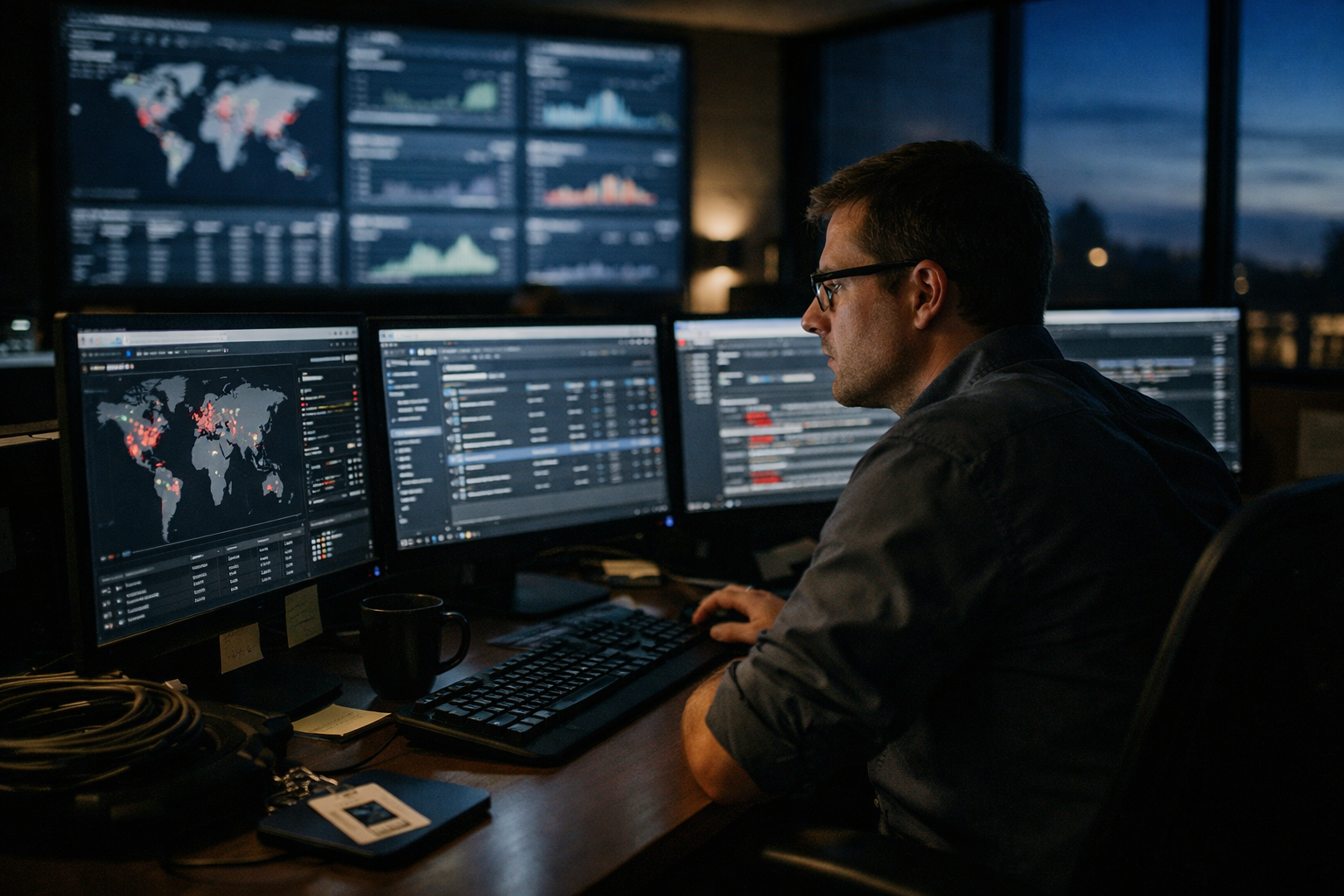
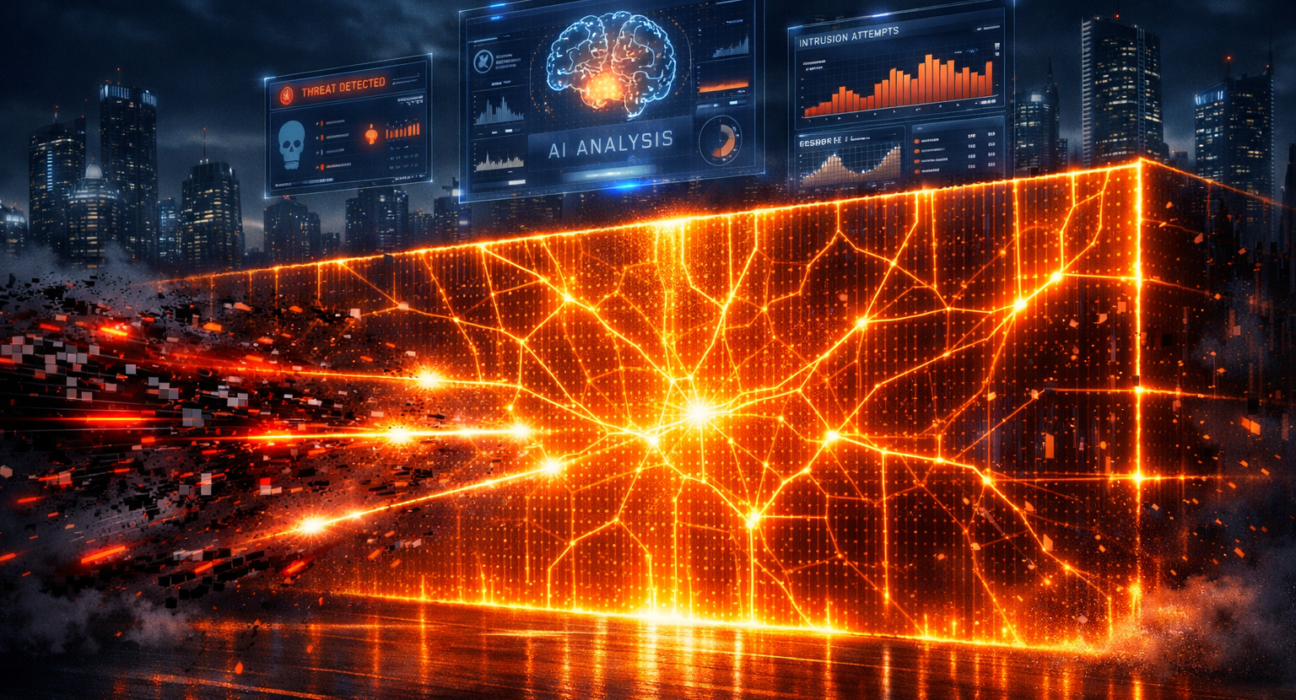
On a quiet Tuesday morning, just as the office lights flickered on and the aroma of fresh coffee spread across the floor, Sania, the IT lead of a mid-sized company noticed something odd.
Her inbox was flooded.
Not with emails from clients.
Not with system alerts.
But with frantic messages from employees:
“Did you send this link?”
“Is this invoice real?”
“My screen froze after clicking!”
Within minutes, she realized what was happening, a phishing attack had just swept through their organisation. And somewhere in the background, a swarm of automated bots was probing their website, trying to find an opening.
Two attacks. Same morning.
Because that’s how cyberthreats work today, quiet, fast, automated, relentless.
But here’s where the story took a different turn.
This time, Sania’s company wasn’t caught unprepared.
They had recently deployed two things that changed everything:
- An AI-driven Web Application Firewall (WAF)
- Continuous Phishing Simulation & Training
And on that Tuesday morning, these two systems quietly became the heroes of the story.
The Day the WAF Learned to Outsmart Attackers
Traditional firewalls work like security guards who strictly follow the rulebook. They check IDs, they follow instructions, and when a new attack method appears, they sometimes struggle to recognise it.
But AI-driven WAFs?
They behave differently.
They learn, adapt, and predict.
As soon as the automated bots started scanning Sania’s website, the AI-WAF noticed behaviour that didn’t match any normal user pattern:
- Visitors jumping between pages faster than a human could click
- Repeated login attempts from unusual regions
- Requests that looked like they were stitched together by suspicious scripts
Instead of waiting for a manual update or a predefined rule, the AI took action.
It blocked the suspicious traffic instantly, re-routed some requests for further inspection, and alerted Sania’s team before any real damage was done.
For the first time, it felt like the firewall wasn’t just protecting them, it was thinking for them.
The Human Firewall: Trained, Tested, Ready
Meanwhile, the phishing emails spreading across the organisation should have caused chaos.
But they didn’t.
Because over the last few months, Sania’s company had run AI-powered phishing simulations.
These weren’t dull, predictable, “don’t click here” classroom-style training.
These were realistic, evolving, adaptive tests that mirrored actual attack patterns.
Employees had learned how to:
- Spot unusual links
- Identify fake urgency (“Update your payroll now!”)
- Detect strange sender addresses
- Pause before clicking
- Report threats instantly
So that Tuesday morning, instead of panic, Sania saw something unexpected, employees reporting the phishing email before even thinking of opening it.
That’s what happens when people are trained not just once a year, but consistently, contextually, and in a way that’s easy to understand.
They become the first line of defence.
AI + Humans: A Security Partnership That Actually Works
The truth is, cybersecurity is no longer about completely stopping attacks because attackers don’t stop.
It’s about staying one step ahead.
And that’s what this new combination does:
AI-driven WAF
- Watches every request
- Understands user behaviour
- Blocks threats before they reach your apps
- Learns from every attempt
- Gets smarter with every incident
Phishing Simulation
- Turns people into defenders
- Builds awareness without fear
- Offers real-time training
- Reduces risky clicks
- Creates a culture of caution
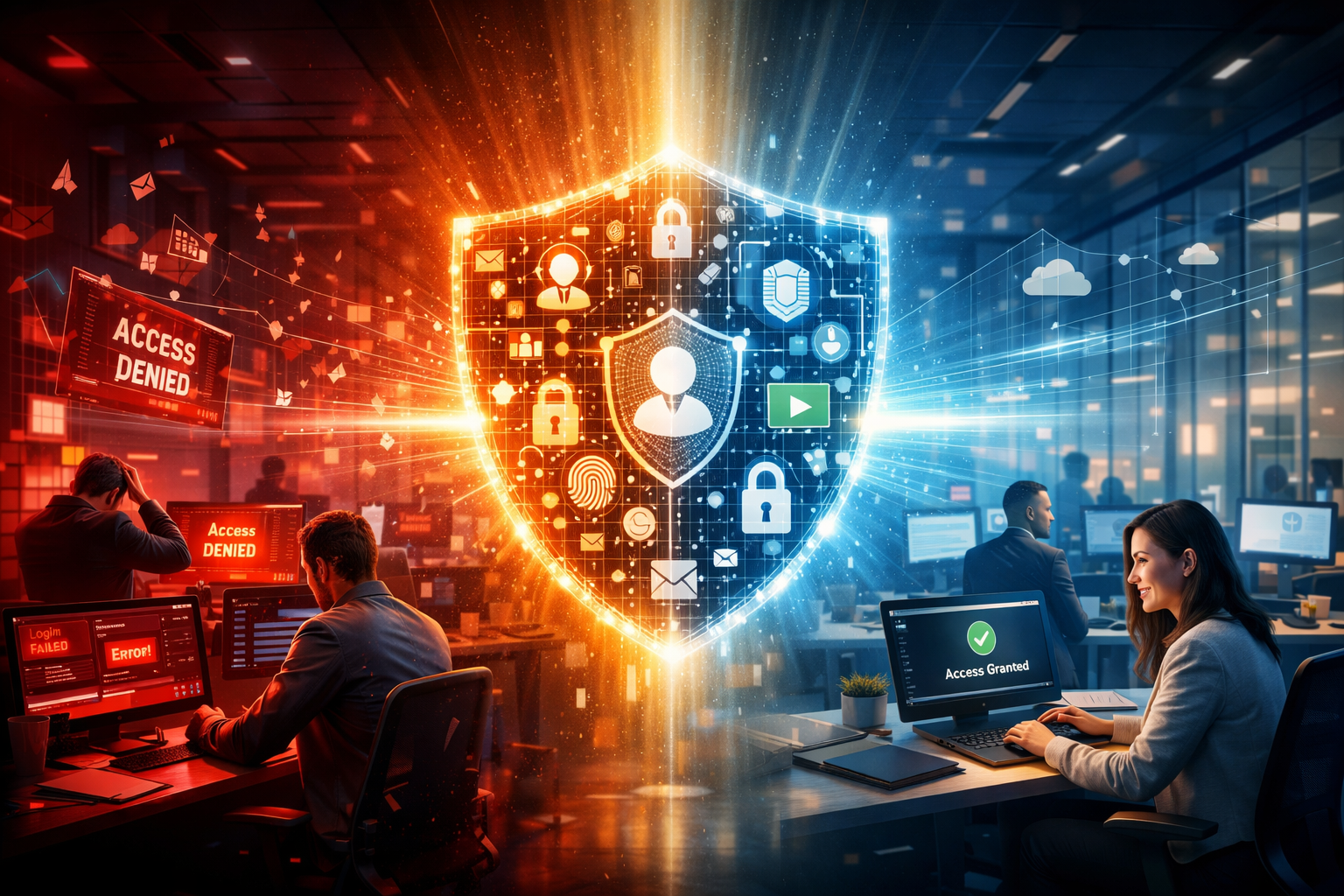
One protects your digital front door.
The other protects your people.
Together, they create a security posture that’s strong, intelligent, and human-centric.
Why This Matters More Today Than Ever
Cyberthreats today aren’t like the ones we talked about 10 years ago.
They don’t come with big red warning signs.
They mimic invoices.
They sound like your CEO.
They hide in tiny website requests.
They move fast, quicker than any human can analyse.
When threats evolve every day, your defenses need to evolve faster.
AI helps you do exactly that.
And phishing simulation ensures your team never becomes the weakest link.
A Smarter, Safer Way Forward
That Tuesday morning could have ended very differently for Sania’s company.
Instead, it became a reminder:
Security isn’t just about tools.
It’s about intelligent tools + prepared people.
And when both work together, even the most sophisticated attacks lose their power.
If you’re ready to strengthen your defences with AI-driven WAF and smarter phishing simulation.
Evvo Technology can help you build a security foundation that learns, adapts, and protects.